
Money Apps and 7 Personal Finance Habits That Pay Off in 2026
The smartest use of money apps is not downloading more of them, it is pairing a few good tools with habits that actually move the needle. In 2026, the people who build real financial momentum treat their apps as assistants to a clear plan, not as the plan itself. This article shares seven habits I have seen work, and shows exactly where the right app makes each one easier.
I learned this the slow way. For years I collected finance apps the way others collect loyalty cards, then wondered why nothing changed. Progress only arrived when I matched a handful of tools to concrete routines. The apps did not do the work; they removed the friction so the habits could stick.
Why Money Apps Amplify Good Habits
Good habits often fail because they rely on memory and willpower. Money apps solve that by automating the boring parts, sending timely reminders, and showing progress you can see. When saving happens automatically and spending is visible in real time, consistency stops feeling like a battle.
Think of an app as a lever. The habit is the weight you want to move; the app multiplies your effort. Below are the seven habits that benefit most from that leverage.
The Seven Habits at a Glance
- Automate savings before you can spend the money.
- Track every expense for at least one full month.
- Build and defend a starter emergency fund.
- Attack high-interest debt with a clear payoff plan.
- Review subscriptions and recurring charges quarterly.
- Set specific, named goals instead of vague wishes.
- Check your numbers on a fixed weekly schedule.
Turning Each Habit Into Action
Habits are easier to keep when a tool handles the hard part. Here is how apps support the big three.
Automate Saving First
Set an automatic transfer to a savings goal the day after payday. Round-up tools add spare change on every purchase, quietly building a balance you barely notice leaving. For practical ideas on structuring these transfers, a solid collection of personal finance tips can help you choose amounts that stretch without straining your budget.
Track Spending Honestly
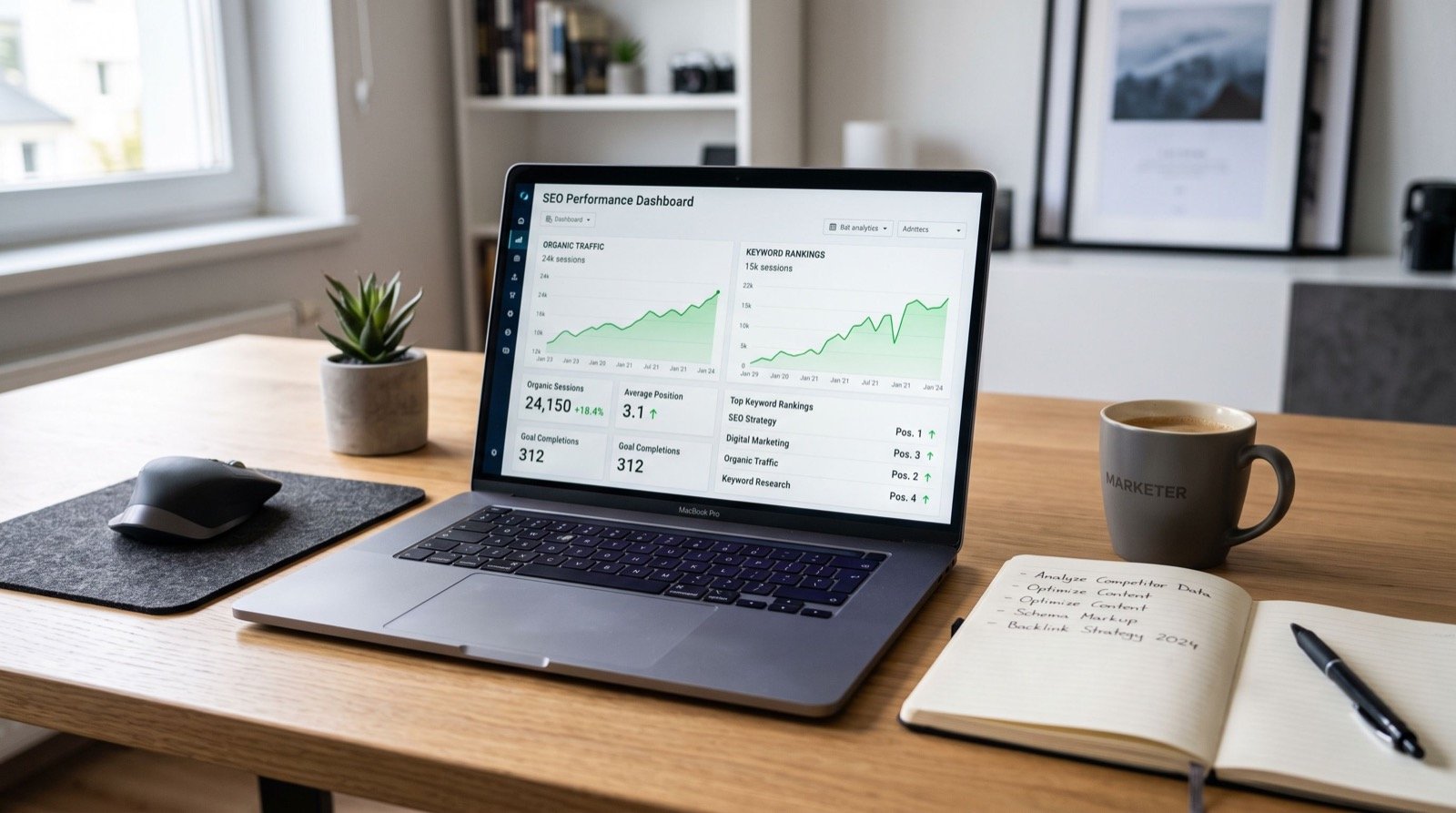
You cannot fix what you cannot see. A budgeting app that categorizes transactions reveals the small, repeated leaks, daily coffees, unused apps, impulse buys, that quietly drain hundreds each year. One honest month of tracking usually changes behavior more than any lecture.
Tackle Debt With a Plan
List debts by interest rate and target the most expensive first while paying minimums on the rest. Apps that visualize the shrinking balance keep motivation high. The U.S. Consumer Financial Protection Bureau offers free, trustworthy guidance on debt strategies that complements any app you choose.
Choosing Tools Without Overloading Your Phone
More apps create more logins, more notifications, and more places for things to go wrong. Aim for a compact toolkit. When comparing options, weigh them against a trusted roundup of money apps so each one earns its spot through real usefulness, not marketing shine.
| Habit | Helpful App Type | What to Look For |
|---|---|---|
| Automated saving | Round-up / goal saver | Flexible rules, clear interest terms |
| Expense tracking | Budgeting hub | Reliable syncing, custom categories |
| Debt payoff | Debt planner | Payoff projections, reminders |
| Goal setting | All-in-one dashboard | Visual progress, multiple goals |
Use the table to map each habit to a single tool. If one app covers two habits well, you need fewer downloads and fewer passwords to protect.
How Many Apps Is Too Many?
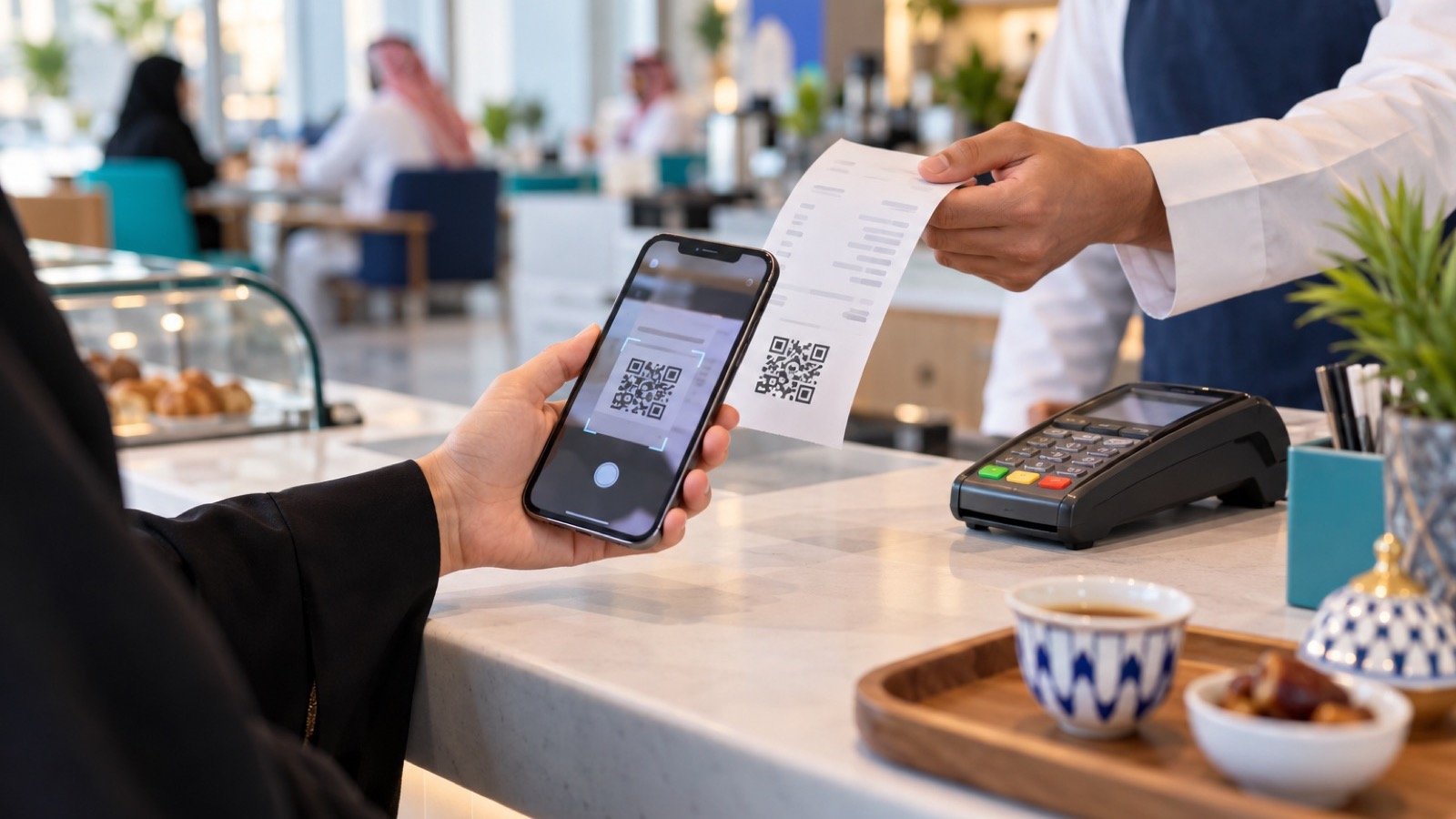
If you cannot remember what every finance app on your phone does, you have too many. I keep three: a budgeting hub, a savings automator, and one payment app. That lean stack covers almost every habit above while staying easy to secure and simple to review each week.
Protecting Your Money and Your Data
Strong habits include strong security. Follow these essentials for every financial app you install:
- Enable multi-factor authentication without exception.
- Use a unique password stored in a password manager.
- Turn on alerts so fraud surfaces within minutes.
- Unlink and delete apps you no longer use.
Also keep expectations grounded. No app guarantees returns or erases risk; they simply make disciplined behavior easier. For setup help you can trust, some readers consult reliable local experts before linking sensitive accounts, which adds a useful layer of caution.
Measuring Progress Without Obsessing Over It
Habits only stick when you can see them working, yet checking your balance ten times a day breeds anxiety rather than discipline. The goal is a rhythm that keeps you informed without turning money into a source of daily stress. A short, scheduled review beats constant anxious glances every time.
I suggest tracking three simple numbers each month: total savings, total debt, and total spending in your biggest flexible category, usually dining or shopping. Watching those three figures trend in the right direction tells you almost everything you need to know. Apps that chart these over time make the pattern obvious at a glance.
Set Milestones You Can Celebrate
Big goals feel distant, so break them into milestones you reach every few weeks. Funding your first $500 emergency cushion, clearing one credit card, or hitting a three-month savings streak all deserve recognition. Small celebrations keep motivation alive across the long stretch toward larger targets.
Adjust the Plan as Life Changes
A budget built in January rarely fits perfectly by June. Income shifts, rent rises, and priorities move. Revisit your categories and goals each quarter, and let your apps reflect the new reality. Flexibility is a feature of a healthy plan, not a sign of failure, and it keeps your habits sustainable for years rather than weeks.
Frequently Asked Questions
Which money apps are best for beginners?
Beginners usually do well with one budgeting app and one automated-savings tool. Choose options with free tiers, reliable syncing, and simple dashboards. Add more specialized apps only after the basics become a comfortable routine.
Can money apps really help me save more?
Yes, mainly by automating transfers and revealing hidden spending. The saving still comes from your choices, but automation removes the temptation to skip a month. Consistency over time is where the real gains appear.
Do I need to pay for a good personal finance app?
Not usually. Many free tiers handle budgeting and basic saving well. Pay only when a premium feature, such as advanced forecasting or unlimited accounts, clearly saves you time or money you would otherwise lose.
Are my finances safe inside these apps?
Reputable, regulated apps use encryption and multi-factor authentication. Your habits matter too: unique passwords, active alerts, and quarterly reviews of linked accounts keep both your money and your data protected.
Conclusion
The real power of money apps in 2026 shows up when you pair them with durable habits: automate saving, track spending honestly, crush high-interest debt, and review your numbers on a set schedule. Keep your toolkit lean, secure every account, and lean on trustworthy guidance and realistic expectations rather than promises of guaranteed wealth. Do that, and a small, well-chosen set of apps becomes a steady engine for building the financial life you actually want, one automated, visible, repeatable step at a time.